
Wilderness
The Kora Journey
Tracing the legacy of George and Joy Adamson through remote expeditions into the heart of Kenya's conservation history.
Story
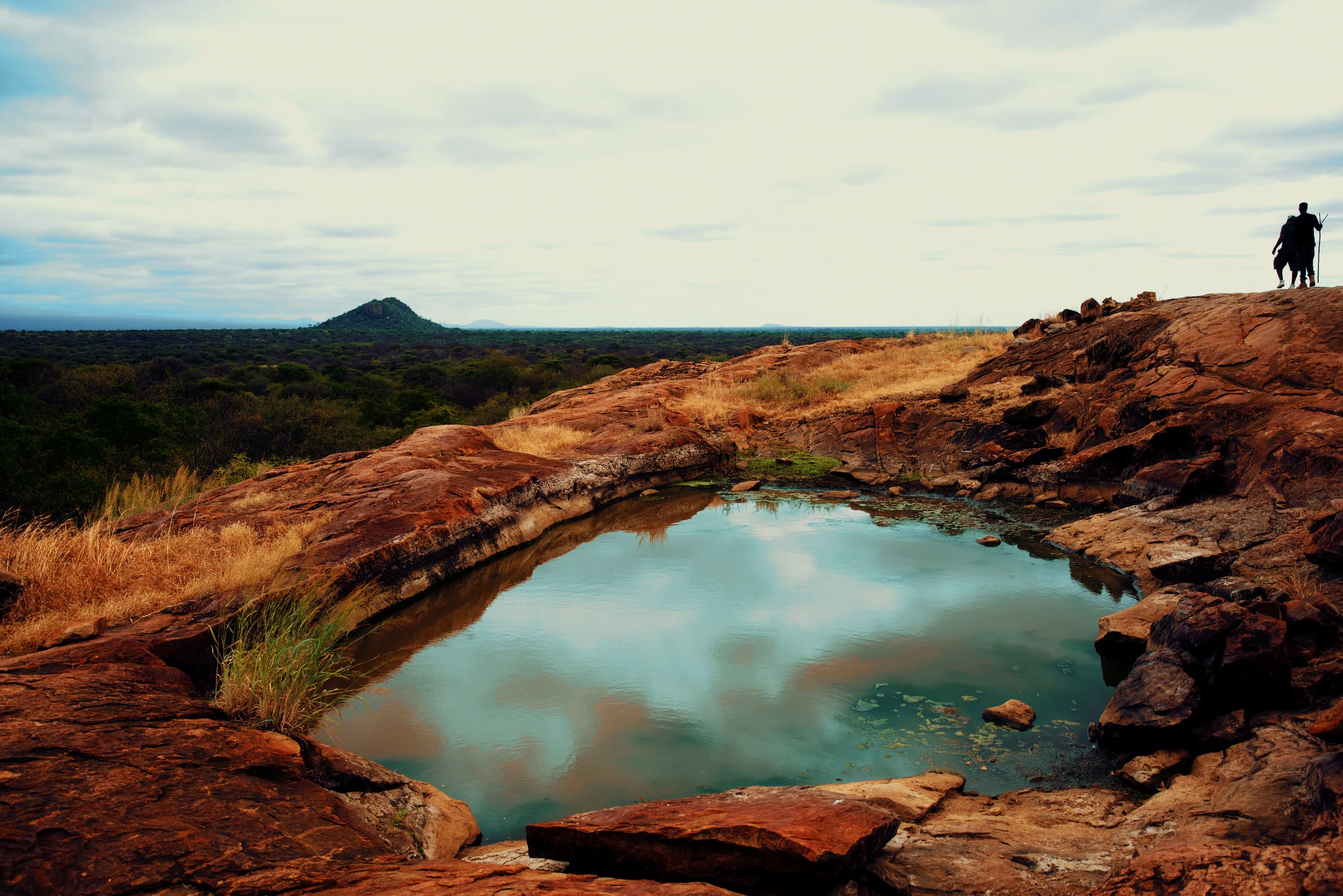
In 2025, VIDFLIX set out to reach Kora — the remote reserve on the far bank of the Tana River where George Adamson spent the final years of his life among the lions he raised and released. It is not an easy place to reach. The roads thin to tracks; the tracks thin to suggestions; and the river, depending on the season, either bars the way or merely complicates it.
The first attempt did not arrive. Distance, terrain and conditions turned the team back before Elsa's grave and Adamson's camp could be reached. We have chosen to keep that failure in the record rather than quietly erase it. A second expedition, later in the year, completed the journey — and what it found was not a monument but a working landscape, still patrolled, still remembered, still alive with the story that made it famous.
This project is the account of both journeys: the one that failed and the one that did not.
Historical Context
Kora is inseparable from the story of George and Joy Adamson. Joy's book Born Free, and the film it inspired, introduced the world to Elsa the lioness and to the radical idea that an animal raised by humans could be returned to the wild. George carried that idea further than anyone, establishing camps deep in the bush and devoting decades to the rehabilitation and release of lions and leopards.
He was murdered near Kora in 1989, defending others from bandits. With his death the reserve receded from international attention, but it never lost its significance. To stand in Kora is to stand inside one of the founding stories of modern conservation — a story about the boundary between the tame and the wild, and about what humans owe to the animals they have touched.
The Route
The approach runs east from the central highlands toward the Tana, the longest river in Kenya. The final stretch is dictated entirely by water: in the dry season the river can be forded at known points; after rain, those points vanish. Our route logs, GPS tracks and the rangers' local knowledge are being compiled so that future visitors — and future researchers — can understand exactly how the place is reached, and how easily it is not.
Field Notes
Everybody publishes their successes. Very few publish their setbacks.
The most valuable hours were not the dramatic ones. They were the long conversations with rangers who had worked the reserve for decades — men who could point to where a camp once stood, recall the day news of Adamson's death reached them, and read the age of a lion's track at a glance. Their knowledge is the real archive. The footage and photographs are only its index.
We recorded voices in the rangers' own languages, with translation, and logged the condition of the surviving conservation infrastructure: airstrips reclaimed by bush, foundations, the geography of memory. Much of this has never been documented systematically. It is being entered into the VIDFLIX archive now.
Photo Gallery
Field plates
Short Film
In production
The film for this project is being edited
References
- Adamson, George. My Pride and Joy: An Autobiography (1986).
- Adamson, Joy. Born Free: A Lioness of Two Worlds (1960).
- Kenya Wildlife Service — Kora National Reserve management records.
- Field interviews with reserve rangers, VIDFLIX archive, 2025.
Credits
- Directed & documented by Shaswat Ghosal
- Field support: Kenya Wildlife Service rangers
- Translation & local liaison: Meru field team
- Part of the VIDFLIX Living Archive