

Skip to content
VIDFLIX

VIDFLIX is building a living archive of culture, wilderness and memory across India and Africa.

People We Met

Every elder
is a library.

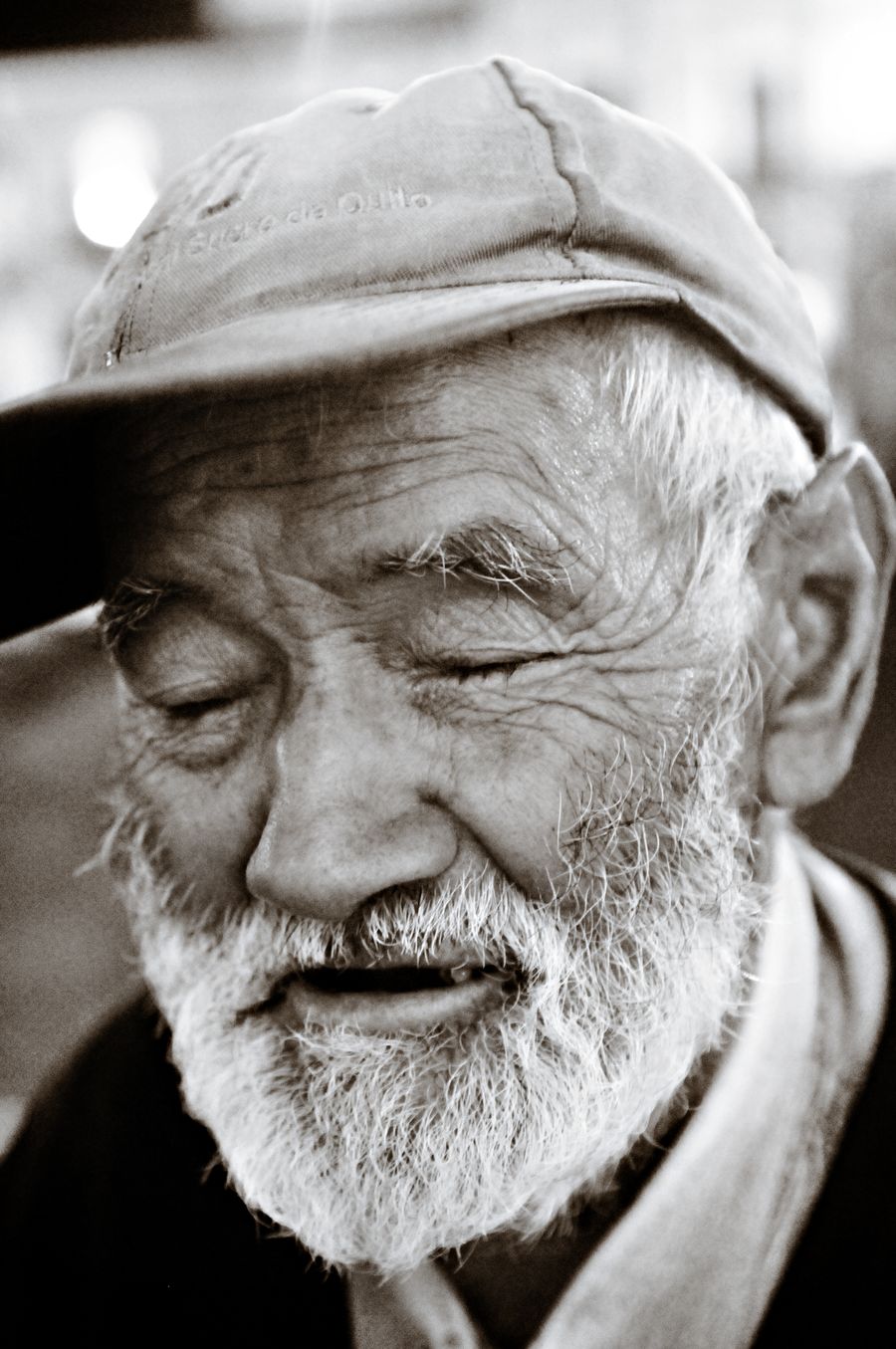
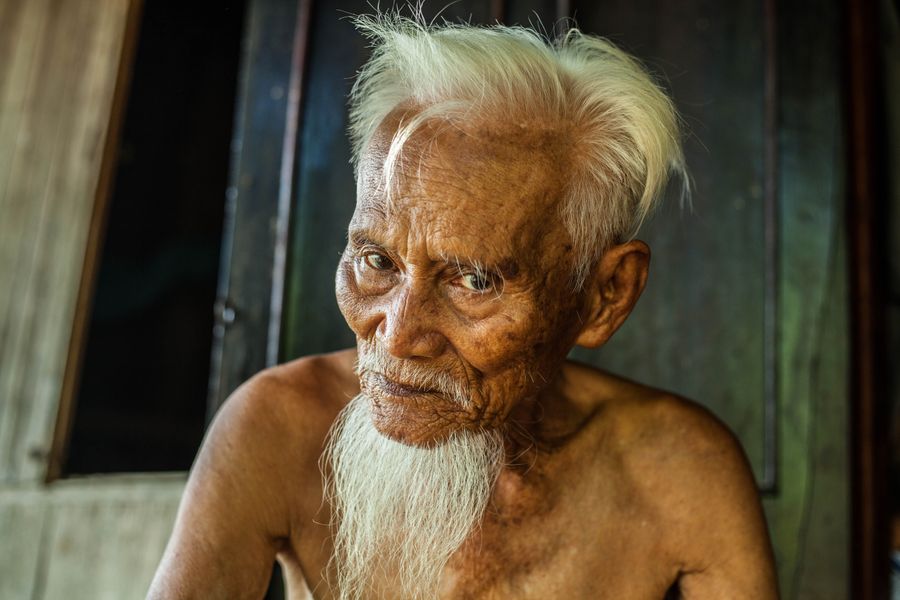
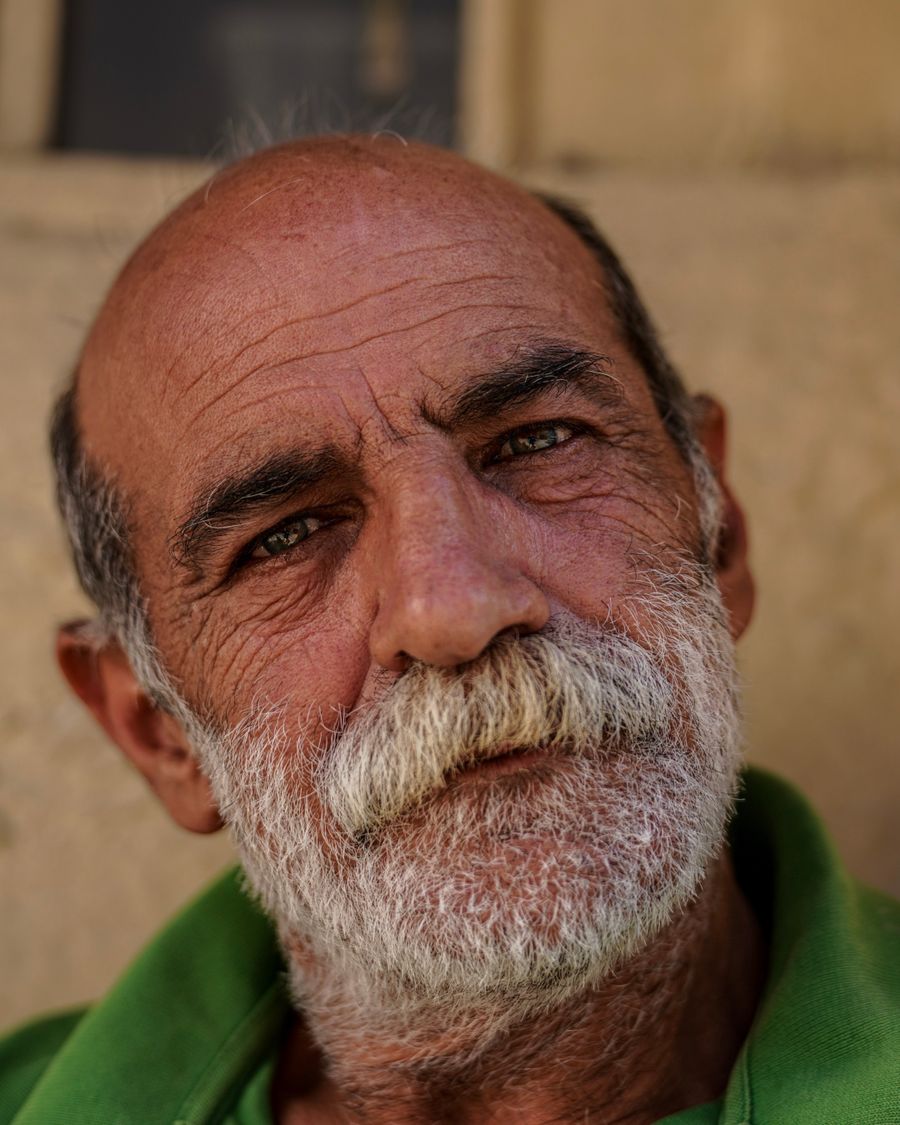
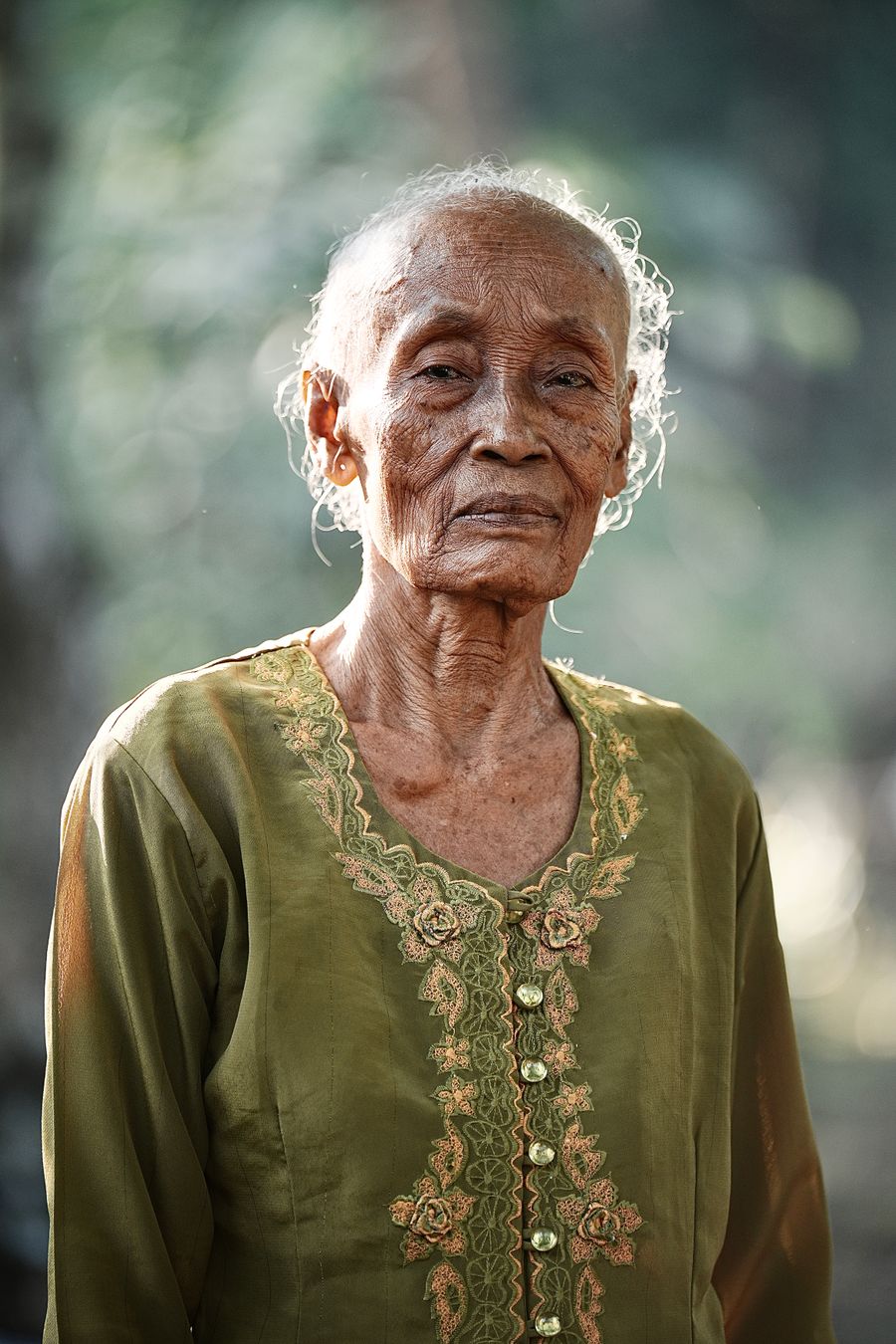
Behind every landscape and every ritual are the people who carry its meaning. These are a few of those we have been privileged to meet — and to record, before their knowledge fades from living memory.

The Maasai Elder

Masai Mara, Kenya

The Maasai Elder

Keeper of oral tradition

He counts his years not in numbers but in the droughts and the rains he has lived through. Seated outside his enkang, wrapped in a red shúkà worn soft with age, he speaks of a Mara that existed before the fences — when wildebeest crossed in numbers that darkened the plain, and a boy could walk a day without meeting a road.

His memory is a library. He remembers the names of grazing grounds now swallowed by farmland, the songs sung when a new age-set is initiated, and the precise relationship between a particular bird's call and the coming of the herds. Much of this knowledge has never been written down. It lives only in the telling.

We sat with him through an afternoon and into the evening, recording his voice in his own language, with his grandson translating. What he gave us was not an interview. It was an inheritance.

The Reserve Ranger

Kora National Reserve, Kenya

The Reserve Ranger

Guardian of Kora

He has patrolled Kora for most of his working life, through years when the reserve all but vanished from public memory. He knew the camps, the airstrips overtaken by bush, and the men who worked alongside George Adamson in the final chapter of the lion man's life.

A ranger's knowledge is intimate and unglamorous: where the river can be crossed in the dry season, which tracks flood first, how to read the age of a lion's spoor. It is also historical. He remembers the day the news of Adamson's death reached the camp, and he can point to where things once stood that are now only foundations.

Without rangers like him, the conservation history of this place would be a set of dates in a book. With him, it is a living account — carried in the body of a man who has walked the ground for decades.

The Himalayan Monk

Eastern Himalayas, India

The Himalayan Monk

Custodian of a monastery

In a monastery reached by a road that gives out before it arrives, he keeps a rhythm older than any of the states that have claimed the valley below. Before dawn there is chanting; through the day there are manuscripts to copy, butter lamps to tend, and younger monks to teach.

The texts in his care are fragile — hand-inked on paper that crumbles at the edges, in a script fewer and fewer can read. He showed us pages that have not left their cloth wrapping in years, and explained the chants that accompany them, sounds that mean nothing on a page and everything in the air.

He was not anxious about disappearing. Impermanence, he reminded us gently, is the first teaching. But he understood why we had come, and he let us record what we could.

The Weaver

North-East India

The Weaver

Artisan of a vanishing craft

She learned to weave from her mother, who learned from hers, in an unbroken line that she is not sure will continue. The loom in her home produces patterns that belong to her community alone — each motif a word in a visual language, encoding clan, status and story.

The younger women, she told us, leave for the towns. The thread is harder to source. Machine-made cloth is cheaper and arrives by the bundle. And yet she still sits at the loom each morning, because the patterns are not decoration; they are identity, and to stop weaving would be to let a part of her people go quiet.

We filmed her hands at work for a long time without speaking. Some knowledge is held not in words but in muscle and repetition — and it is exactly this kind that disappears most silently.

The Village Headman

Arunachal Pradesh, India

The Village Headman

Tribal chief & memory-keeper

As headman he settles disputes, presides over festivals and holds the genealogies of every household in the village in his head. His authority rests not on documents but on memory and consent — the oldest form of governance there is.

He spoke to us about the festivals: when they are held, what they are for, and how each year a little more of their meaning has to be explained to the young rather than simply understood by them. He worries about this, openly. A festival performed without its meaning, he said, is only a dance.

He invited us to record the next celebration in full — the preparations, the rites, the feasting — so that even if the village changes beyond recognition, there will be a true account of what it once did, and why.

The Beadwork Artist

Masai Mara, Kenya

The Beadwork Artist

Maker of meaning in colour

Her work looks, to the unknowing eye, like ornament. It is in fact a language. Among the Maasai, the colours and arrangements of beadwork communicate age, marital status, social standing and occasion — a code worn openly on the body.

She sat cross-legged in the shade, threading tiny glass beads with a needle and a speed that came from a lifetime of practice. Red for bravery and unity, she explained; white for peace and purity; blue for the sky and the rains it brings. A young woman's collar says one thing; a married woman's says another.

As ready-made jewellery spreads, the literacy behind these patterns is thinning. She is teaching the girls who will sit with her, but she knows that to make the beadwork is one thing, and to read it is another. We recorded both — the making, and the meaning.

This archive grows with every journey. Each name added is a small stand against forgetting.