
Culture
Indigenous India Project
An ongoing archive documenting indigenous communities, festivals and cultural traditions across India before they fade from living memory.
Story
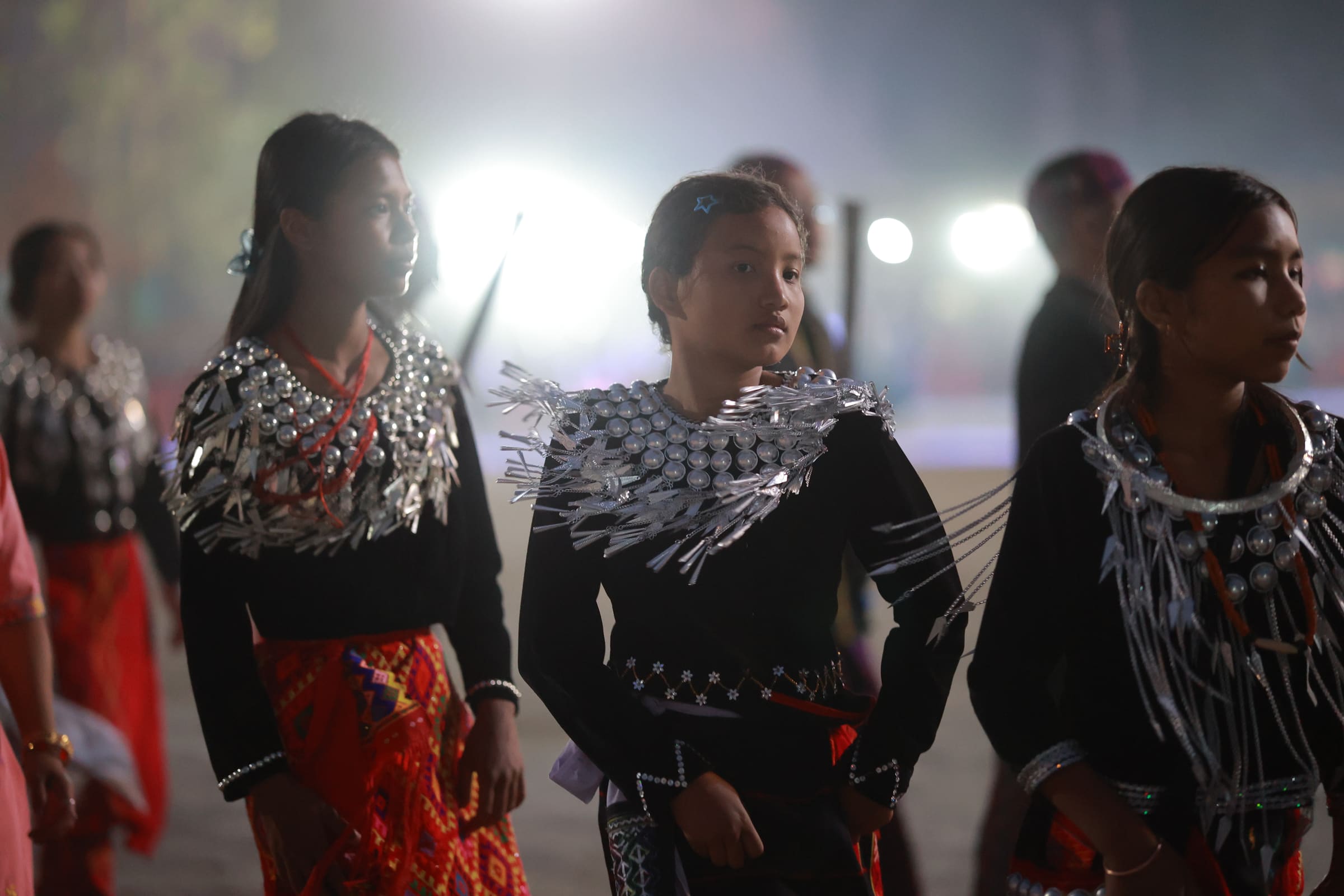
India has an extraordinary density of distinct cultures — languages, festivals, crafts and knowledge systems that exist nowhere else and, in many cases, are written down nowhere at all. The Indigenous India Project is an open-ended effort to document them: not as exotic spectacle, but as living traditions recorded with the consent and participation of the communities who hold them.
It is deliberately ongoing. There is no single expedition that could capture Arunachal Pradesh, Jharkhand, Madhya Pradesh, Maharashtra, Odisha, Sikkim and West Bengal. Instead the project accumulates — festival by festival, elder by elder, loom by loom — building a record that grows more valuable precisely because the practices it documents are growing scarcer.
Historical Context
The cultures of this region have always been dynamic, but the present rate of change is unlike anything before it. Young people leave for towns and cities. Festivals that were once understood by everyone now have to be explained to the young. Crafts that encoded clan and status in their patterns compete with cheap machine-made cloth. Oral traditions, by definition, survive only as long as there is someone to tell them and someone to listen.
A festival performed without its meaning, one village headman told us, is only a dance. The project's task is to record both the performance and the meaning — before the second is lost while the first survives as costume.
What We Are Documenting
The work spans several threads that recur across the region:
- Festivals — their timing, rites, preparations and the knowledge embedded in them.
- Oral histories — genealogies, origin stories and customary law held in memory by elders.
- Crafts — weaving and other skills in which the technique is the knowledge, held in muscle and repetition.
- Monastic and ritual traditions — chants, manuscripts and daily rites in the eastern Himalayan belt.
Field Notes
Some knowledge is held not in words but in the body. We have filmed a weaver's hands at work for long, near-silent stretches, because the pattern she makes is a language of clan and identity that she fears will go quiet. We have sat with a headman who carries the genealogy of every household in his village in his head, and who invited us to record the next festival in full so that a true account survives whatever comes.
Every recording is made with consent, in the speaker's own language where possible, with translation, and is being entered into the VIDFLIX archive as the project continues.
Photo Gallery
Field plates





Short Film
In production
The film for this project is being edited
References
- Elwin, Verrier. A Philosophy for NEFA (1957).
- Census of India — Scheduled Tribes ethnographic notes.
- Field recordings & interviews, VIDFLIX archive, 2026 —.
Credits
- Directed & documented by Shaswat Ghosal
- Community liaison: village headmen & elders
- Translation: regional field teams
- Part of the VIDFLIX Living Archive